Blog
Irvingia Gabonensis Research: Small Trials, Big Claims
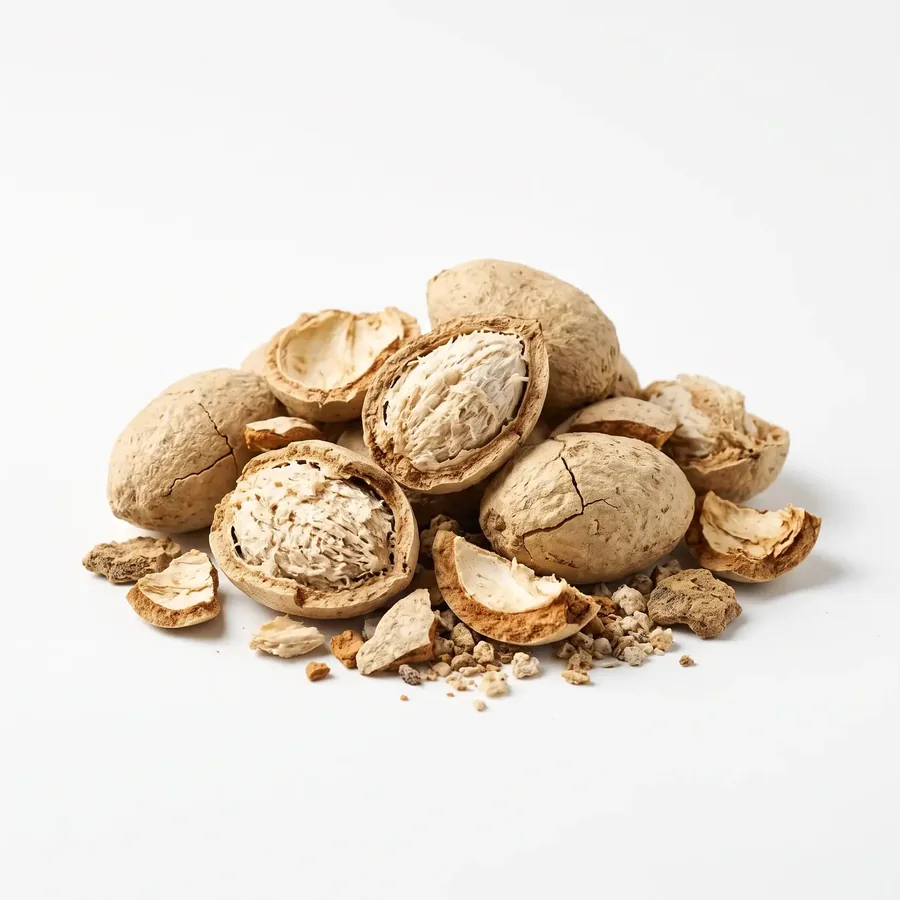
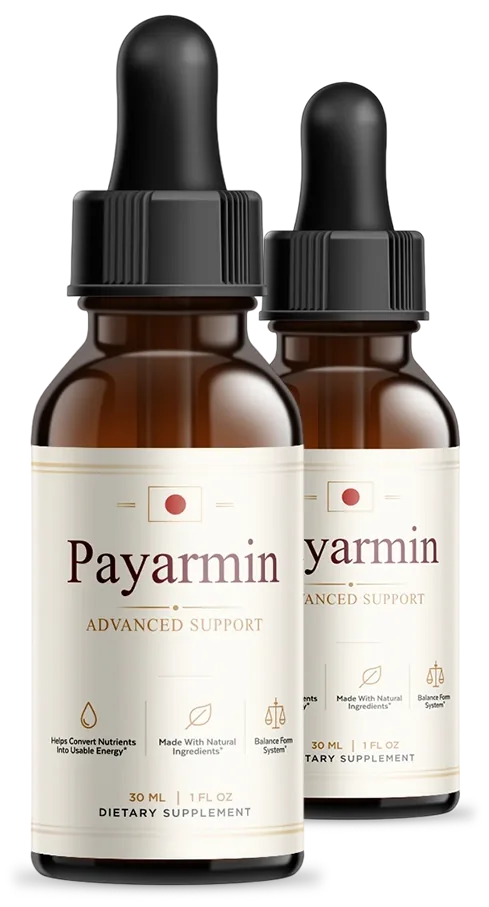
Irvingia gabonensis is the tree behind African mango seed extract. Memorial Sloan Kettering says the extract may support weight loss but high-quality studies are needed, and most studies are small and poor in quality. Payarmin lists the extract fourth in its blend, at no more than 50 mg per 1 mL.
Written by the Payarmin label deskUpdated · 4 min read
State of the research01
What does Irvingia gabonensis research actually show?
It shows early, small studies. Memorial Sloan Kettering writes that the seed extract "may support weight loss, but high-quality studies are needed" (MSKCC, African mango).
Most studies are small and of poor quality, and systematic reviews found weak methods. Seed extract may affect obesity and cholesterol measures, but the data are limited (MSKCC, African mango).
Blood sugar is where the claims run ahead. The glucose-lowering effects the summary cites come from rat studies, and the consumer section calls human data limited (MSKCC, African mango). We do not present African mango as proven to change blood sugar.
| Common claim | What the source says |
|---|---|
| Weight loss | May support it; better studies needed |
| Cholesterol | Possible effect; data limited |
| Blood sugar | Rat studies; human data limited |
| Best dose | We did not find a source |
Dosage02
What is the Irvingia gabonensis dosage?
We did not find a dosage in the sources we cite, so we do not quote one.
That matters for any label. Without a studied dose, nobody can say whether a product holds a meaningful amount.
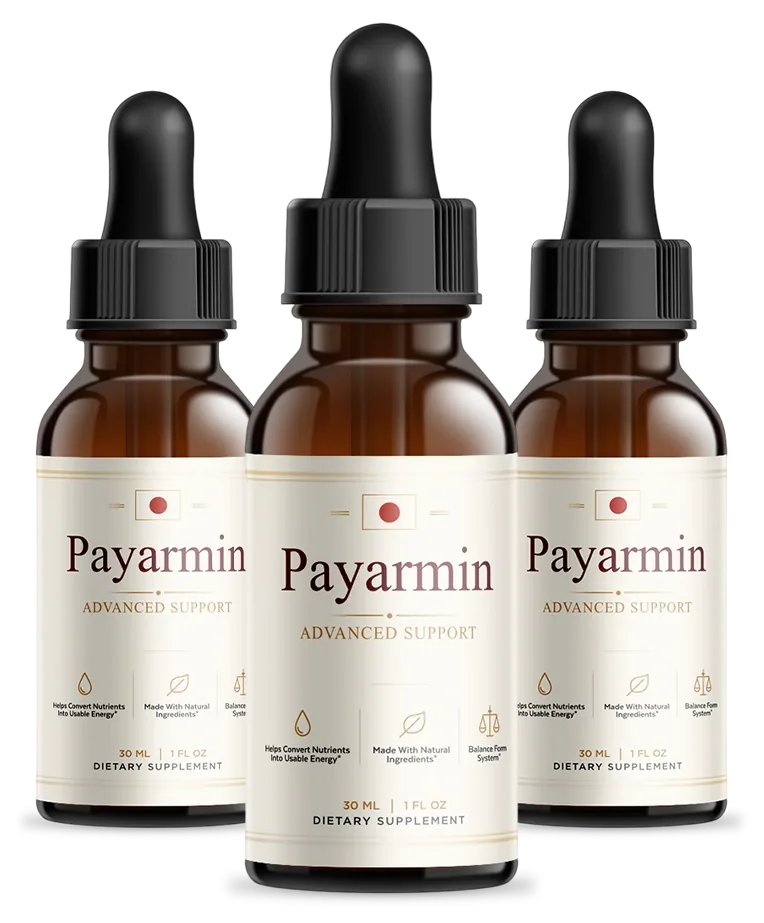
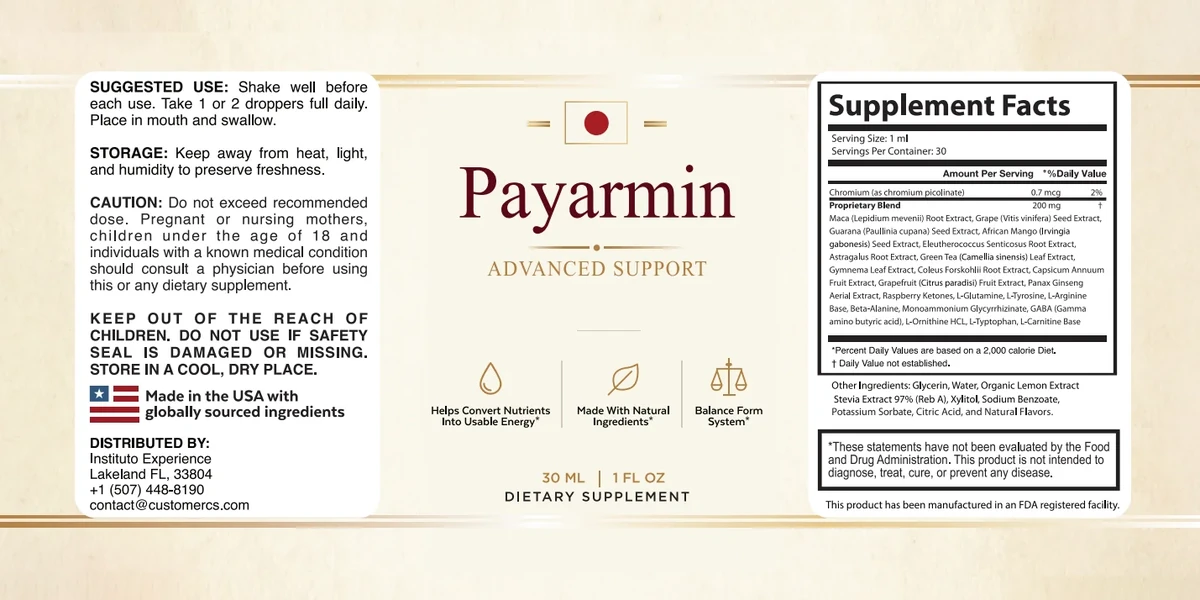
On the Payarmin panel, African mango seed extract is 4th of 22 blend lines. Each place k holds at most 200/k mg, so the ceiling is 50 mg per 1 mL. The real amount is hidden, and this is a label-order ceiling, not a lab result.
Cautions03
Who should be careful with African mango?
People who take diabetes medicine should ask first. The source advises against combining it, because rat studies suggest an added glucose-lowering effect (MSKCC, African mango).
- Reported effects: gas, headaches and difficulty sleeping.
- It may interfere with absorption of other medicines.
- One case report describes a 42-year-old who became dialysis-dependent after about 2.5 months of an African mango herbal medicine. A case report does not prove cause.
Keep taking prescribed medicine and tell your pharmacist about every supplement. See the African mango page and ingredients for the full blend.
FAQ04
Irvingia research questions
Is Irvingia gabonensis the same as African mango?
Yes. Irvingia gabonensis is the botanical name of the African mango tree, and the seed extract is the form sold as a supplement. It is a different thing from the mango fruit sold in grocery stores.
Why are African mango trials called small?
Memorial Sloan Kettering says most studies are small and of poor quality, and systematic reviews found poor methods. Small trials can mislead, so the summary asks for better ones.
Does African mango help blood sugar?
Not proven. The glucose-lowering effects in the MSKCC summary come from rat studies, and human data are limited. Anyone using diabetes medicine should ask a clinician before trying it.
How much African mango is in Payarmin?
The label does not say. It is the fourth of 22 ingredients in a 200 mg blend, so by label order it holds at most 50 mg per 1 mL.
Who wrote this05
Written and reviewed by
Pages built from the label, the sales page and linked NIH, FDA, CDC, FTC and peer-reviewed sources.
Last updated . Read our editorial standards and how we check reviews. This website is run by Gopayarmin, a Payarmin U.S. shop, not by the manufacturer or the distributor. We earn money when you buy through our order links.
Keep reading
More about Payarmin
Payarmin U.S. shop
Ready to try Payarmin?
Check your medicines first, then pick a pack. Three or six bottles ship free and cost less per bottle, and every pack carries the 60-day results-or-refund guarantee.
- Order on the sales page checkout
- 60-day results-or-refund guarantee
- Ships from the U.S.