Guide
Insulin Resistance Explained: Causes, Signs and Next Steps
Insulin resistance explained simply: it is a condition in which muscle, fat and liver cells do not respond to insulin the way they should. It usually has no symptoms and often sits alongside prediabetes. Blood tests ordered by a clinician show where your numbers stand. Supplements are not a substitute for that care.
Written by the Payarmin label deskUpdated
The basics01
What is insulin resistance in simple words?
Insulin resistance is a condition in which your body does not respond to insulin the way it should (NIDDK, Insulin resistance and prediabetes). The cells in muscle, fat and liver listen less well to the signal.
Insulin is a hormone. After you eat, sugar from food enters the blood, and insulin tells cells to take that sugar in and use it. When cells respond weakly, sugar stays in the blood longer. The body can answer by making more insulin for a while.
Think of a doorbell that rings but gets no answer. Pressing it harder works for a time. Over years, the extra effort can wear down the system that makes insulin, and blood sugar can start to climb.
Insulin resistance is not a disease label a person carries for life, and it is not the same as diabetes. It is a state that sits on a path, and habits can move people along that path in either direction.
Signs02
What are common signs of insulin resistance?
Most people have no signs. The NIDDK says people with insulin resistance and prediabetes usually have no symptoms (NIDDK, Insulin resistance and prediabetes).
That is why checklists of "signs" online deserve caution. Tiredness, cravings and a slow afternoon are common in people with normal blood sugar too. They do not show insulin resistance, and they are not a test for it.
What you can do is look at your risk. Risk factors named by the NIDDK are listed below (NIDDK, Insulin resistance and prediabetes).
Weight
Excess weight, or a large waist.
Age and family
Age 35 or older, or a family history of diabetes.
Daily habits
Low physical activity, or smoking.
A history of gestational diabetes is also on the list (NIDDK, Insulin resistance and prediabetes). Having a risk factor does not mean you have insulin resistance. It means testing is worth asking about.
Testing03
Which tests show insulin resistance?
The tests the NIDDK and CDC describe measure blood glucose, not insulin response directly. They show whether your numbers are normal, in the prediabetes range, or in the diabetes range.
The A1C test measures your average blood sugar over the past 3 months (CDC, A1C test). A fasting glucose test and an oral glucose tolerance test look at sugar at a single point or after a sugary drink (NIDDK, Insulin resistance and prediabetes). The sources we used do not describe a routine home test for insulin resistance itself, so ask your clinician what is right for you.
| Test | Normal | Prediabetes | Diabetes |
|---|---|---|---|
| A1C | Below 5.7% | 5.7% to 6.4% | 6.5% or above |
| Fasting plasma glucose | Below the prediabetes range | 100 to 125 mg/dL | Not covered here |
| Oral glucose tolerance test | Below the prediabetes range | 140 to 199 mg/dL | Not covered here |
A1C ranges from the CDC (CDC, A1C test). Fasting and tolerance ranges for prediabetes from the NIDDK (NIDDK, Insulin resistance and prediabetes). Only a clinician can diagnose; a single number from a store kit is not a diagnosis.
Prediabetes04
Is insulin resistance the same as prediabetes?
No. Insulin resistance describes how cells respond to insulin. Prediabetes describes blood sugar that is above normal but below the diabetes range.
The two often go together, which is why the NIDDK covers them on one page (NIDDK, Insulin resistance and prediabetes). A person can have insulin resistance and still test normal because the body is making up for it. A person can have prediabetes numbers without anyone having measured how their cells respond.
Can you have insulin resistance without diabetes? Yes. Many people do, and the point of finding it early is that habits have the most room to help at that stage.
Lifestyle evidence05
Can insulin resistance be reversed?
The NIDDK says a healthy lifestyle and weight management are how people lower their risk. The best trial evidence is the Diabetes Prevention Program.
The DPP followed adults at high risk of type 2 diabetes. After about 3 years, intensive lifestyle change cut the risk of developing type 2 diabetes by 58 percent compared with placebo, and by 71 percent in adults 60 and older (NIDDK, Diabetes Prevention Program). Metformin cut it by 31 percent (NIDDK, Diabetes Prevention Program).
The goals were modest and concrete: lose about 7 percent of body weight and get 150 minutes of exercise a week (NIDDK, Diabetes Prevention Program). The NIDDK adds that losing 5 to 7 percent of starting weight helped lower diabetes risk (NIDDK, Insulin resistance and prediabetes). For a 200-pound adult, 7 percent is 14 pounds.
Neither the NIDDK page nor the DPP summary mentions supplements. The ADA says supplements are not proven as an effective option for lowering blood glucose (ADA, Vitamins and supplements). NCCIH says that for most supplements there is no evidence of a beneficial effect on diabetes (NCCIH, Diabetes and supplements).
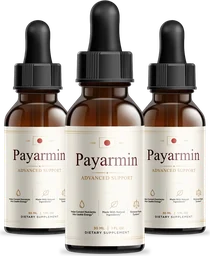
Payarmin: from $49 a bottle30 mL drops · 2, 3 or 6 bottles · free shipping on 3 or 6 · 60-day guarantee
See packsNext steps06
What can I do if I think I have insulin resistance?
Ask a clinician for a blood test, then build habits the research supports. Start with movement, sleep and weight, in that order of ease.
Get tested
Ask about an A1C or fasting glucose test, especially if you have a risk factor above.
Move on most days
Adults are advised to get at least 150 minutes of moderate activity a week, plus muscle work on two days (CDC, Adult physical activity).
Aim for a modest weight change
The DPP goal was about 7 percent of body weight, if your clinician agrees (NIDDK, Diabetes Prevention Program).
Sleep enough
The NIDDK lists enough sleep and regular activity as healthy habits (NIDDK, Insulin resistance and prediabetes).
Tell your clinician about every supplement
Supplements can interact with medicines (NCCIH, Using supplements wisely).
The blood sugar habits guide goes further on daily routines.
Supplements07
Where do products like Payarmin fit?
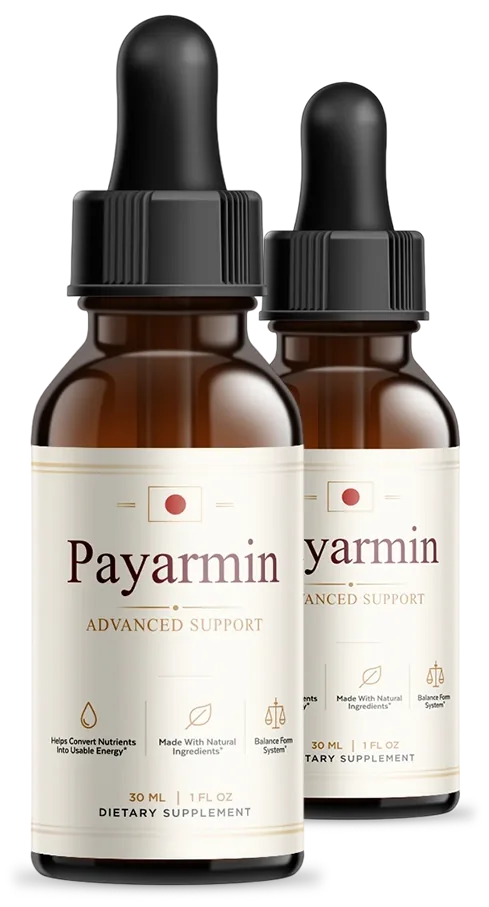
Payarmin is a dietary supplement in liquid drops. It is not a test, a medicine or a treatment for insulin resistance, and no trial has tested it.
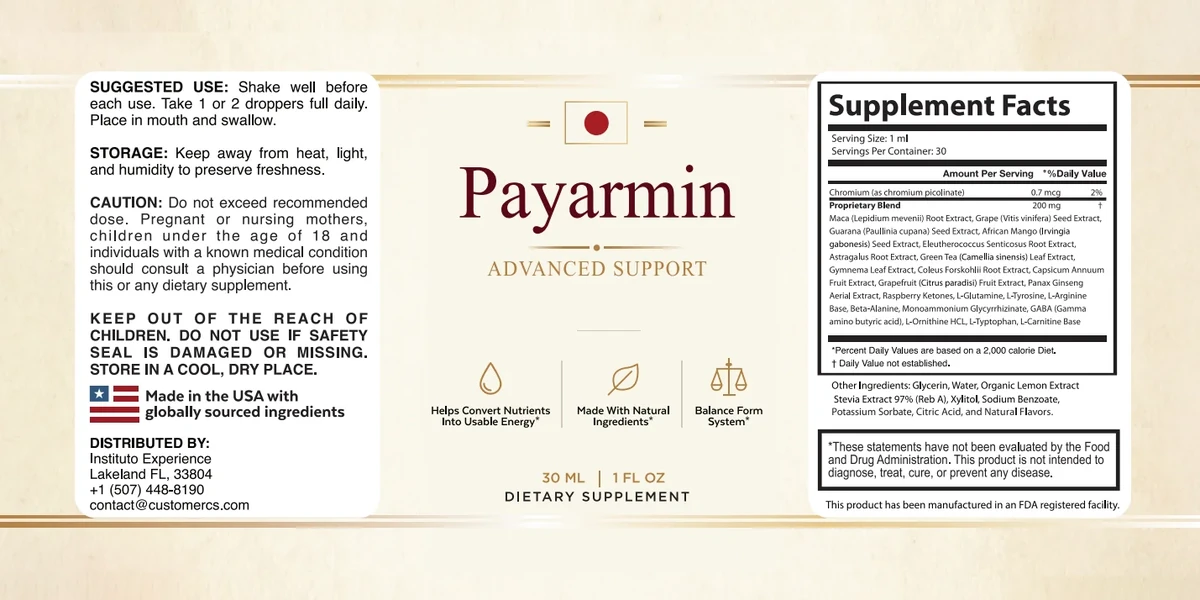
The label makes only general claims, such as "Helps Convert Nutrients Into Usable Energy*". The sales page goes further with blood sugar wording that has no citations (Payarmin sales page). The FTC has acted against supplement makers who claimed to treat diabetes (FTC, Diabetes treatment claims).
Its label lists 0.7 mcg of chromium and a 200 mg blend of 22 ingredients, with single amounts hidden. The NIH calls the evidence for chromium and blood sugar mixed (NIH ODS, Chromium). The ingredients page and benefits page show the math in full.
If you take insulin or a diabetes medicine, ask your doctor or pharmacist before adding any supplement, and see the guide to supplements and diabetes medicines.
Safety08
When should I see a clinician?
See a clinician for a test if you have risk factors, new thirst, a fast weight change or other symptoms of high blood sugar.
Never stop or change a prescribed medicine because of anything you read here or a supplement you start. For people on insulin or some diabetes pills, a reading under 70 mg/dL can be low blood glucose, and shakiness, confusion or a fast heartbeat need prompt care (NIDDK, Low blood glucose). A faint or confused person needs a 911 call.
This guide is general education from the Payarmin label desk. It is not medical advice, and no medical reviewer is named yet.
Payarmin is a dietary supplement, not a treatment. Ask your doctor or pharmacist first if you take insulin or any diabetes medicine, a blood thinner, a blood pressure or heart medicine, an antidepressant, levothyroxine, or a drug affected by grapefruit. Chromium, gymnema, ginseng and green tea may each lower blood sugar; licorice and guarana can raise blood pressure or heart rate. Keep taking prescribed medicine. See side effects and interactions.
FAQ09
Insulin resistance questions people ask
What is insulin resistance in simple words?
Insulin resistance is a condition in which muscle, fat and liver cells do not respond to insulin the way they should, so sugar stays in the blood longer. The body may make more insulin to make up for it. It usually causes no symptoms.
Can you have insulin resistance without diabetes?
Yes. Insulin resistance and prediabetes often come first, and blood sugar can stay in the normal range while the body works harder to keep it there. Testing with a clinician is the only way to know where your numbers stand.
What are common signs of insulin resistance?
Most people have no signs. The NIDDK says people with insulin resistance and prediabetes usually have no symptoms. Tiredness or cravings are common in many people and do not show insulin resistance. Risk factors, such as family history, are a better prompt to test.
Which tests show insulin resistance?
The tests described by NIDDK and CDC are A1C, fasting plasma glucose and the oral glucose tolerance test. They measure blood sugar and place it in a normal, prediabetes or diabetes range. Ask your clinician whether any other test fits your case.
Can insulin resistance be reversed?
The best-studied approach is a healthy lifestyle with weight management. In the Diabetes Prevention Program, intensive lifestyle change cut the risk of developing type 2 diabetes by 58 percent over about 3 years. No supplement appears in those results.
Is insulin resistance the same as prediabetes?
No. Insulin resistance is how cells respond to insulin. Prediabetes is blood sugar above normal but below the diabetes range, such as an A1C of 5.7 to 6.4 percent. They often occur together, but each can exist without the other being measured.
Does Payarmin help with insulin resistance?
No trial has tested Payarmin for insulin resistance, so no one can say it does. It is a dietary supplement, not a medicine. Its label hides single ingredient amounts, and chromium is only 0.7 mcg per mL. Talk to a clinician about testing and habits.
Who wrote this10
Written and reviewed by
Pages built from the label, the sales page and linked NIH, FDA, CDC, FTC and peer-reviewed sources.
Last updated . Read our editorial standards and how we check reviews. This website is run by Gopayarmin, a Payarmin U.S. shop, not by the manufacturer or the distributor. We earn money when you buy through our order links.
Keep reading
More about Payarmin
Payarmin U.S. shop
Ready to try Payarmin?
Check your medicines first, then pick a pack. Three or six bottles ship free and cost less per bottle, and every pack carries the 60-day results-or-refund guarantee.
- Order on the sales page checkout
- 60-day results-or-refund guarantee
- Ships from the U.S.