Ingredient
Green Tea Extract for Blood Sugar: Evidence and Cautions
Green tea extract for blood sugar is a concentrate of green tea leaf catechins and caffeine. Payarmin lists it 7th in its 200 mg blend, so one 1 mL serving holds at most about 29 mg. Trials used far more, showed a very small fasting glucose change, and no trial tested Payarmin.
Written by the Payarmin label deskUpdated
The ingredient01
What is green tea leaf extract?
Green tea leaf extract is a concentrate made from the leaves of Camellia sinensis. It holds the tea's catechins and some caffeine in a much smaller dose form than a cup of tea.
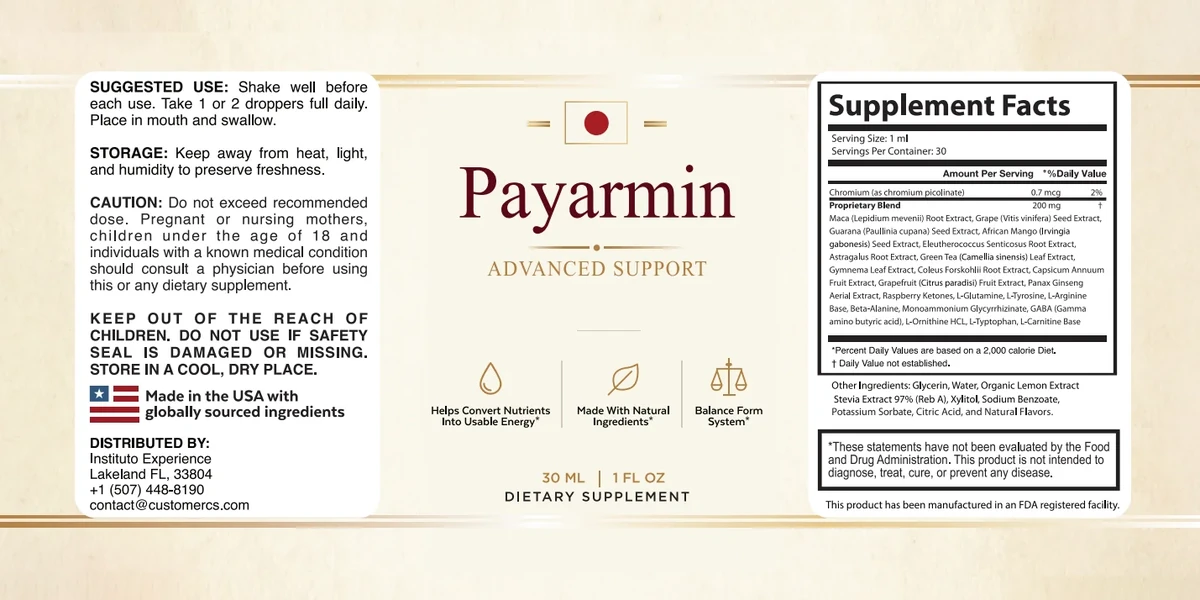
On the Payarmin label it is the seventh of 22 blend lines. The blend totals 200 mg per 1 mL serving, and the label lists the lines from most to least by weight. The label prints no single amount (eCFR, 21 CFR 101.36).
The sales page names green tea as one of six ingredients (Payarmin sales page). It is also one of two caffeine sources in the drops. The other is guarana.
| Name on the label | Green Tea (Camellia sinensis) Leaf Extract |
|---|---|
| What it is | Camellia sinensis leaf |
| Place on the label | 7 of 22 in the 200 mg proprietary blend |
| Amount per 1 mL serving | Not listed; #7 of 22 in the 200 mg blend, so at most 29 mg per 1 mL, and 9 mg if all lines were equal |
| Amount used in research | Catechins 80-1,344 mg a day across 27 trials |
| Strength of evidence | Fasting glucose fell about 1.4 mg/dL; insulin and HbA1c did not change |
| Marketed or traditional use | Tea leaf catechins and caffeine |
| Main caution | Extracts can injure the liver in rare cases; contains caffeine. |
The evidence02
Does green tea extract lower blood sugar?
Only by a very small amount, and only in short trials. No trial has tested green tea inside Payarmin, so the drops carry no such result.
A review of 27 randomized trials pooled green tea products, with catechin doses of 80 to 1,344 mg a day. Across them, fasting glucose was lower by an average of 1.44 mg/dL. Fasting insulin and HbA1c did not change in a significant way. The authors called for longer trials (Xu 2020, Green tea and glucose).
That is a very small change. The NIH page on green tea does not mention diabetes or blood sugar at all (NCCIH, Green tea).
Never stop or change a diabetes medicine because of a supplement. A reading under 70 mg/dL needs prompt care (NIDDK, Low blood glucose).
The dose gap03
How much green tea extract is in Payarmin compared with study doses?
Payarmin's green tea line holds at most about 29 mg per serving. If all 22 blend lines were equal, it would hold about 9 mg.
The ceiling comes from the place in the list: 200 divided by 7 is 28.6. It comes from label order, not a lab result. The real amount could be lower.
Study doses were counted in catechins, and they ran from 80 to 1,344 mg a day (Xu 2020, Green tea and glucose). An extract weighs more than the catechins in it, but the gap stays wide. The bars show green tea beside three other lines.
The active part04
What is EGCG?
EGCG is epigallocatechin gallate, the most studied catechin in green tea. Catechins are plant compounds that give the leaf much of its bitter taste.
Reports of liver injury from green tea extract link to catechins, and especially EGCG (NIH LiverTox, Green tea).
The Payarmin label states no EGCG or catechin amount. Treat any EGCG dose claimed for these drops as unverified.
Caffeine05
How much caffeine is in green tea extract?
It varies by extract, and Payarmin prints no caffeine amount. The FDA lists about 37 mg in a 12-ounce cup of brewed green tea (FDA, How much caffeine).
Green tea leaf extract and guarana seed extract both carry caffeine. Guarana is third in the blend, so it outweighs green tea (MSKCC, Guarana). We cannot total the two, because neither caffeine amount is printed.
For most adults, 400 mg of caffeine a day is not generally linked with harm (FDA, How much caffeine). Too much can cause a fast heartbeat, palpitations, higher blood pressure, insomnia and jitters. People who react to coffee, or who have a heart rhythm problem, should ask a clinician first.
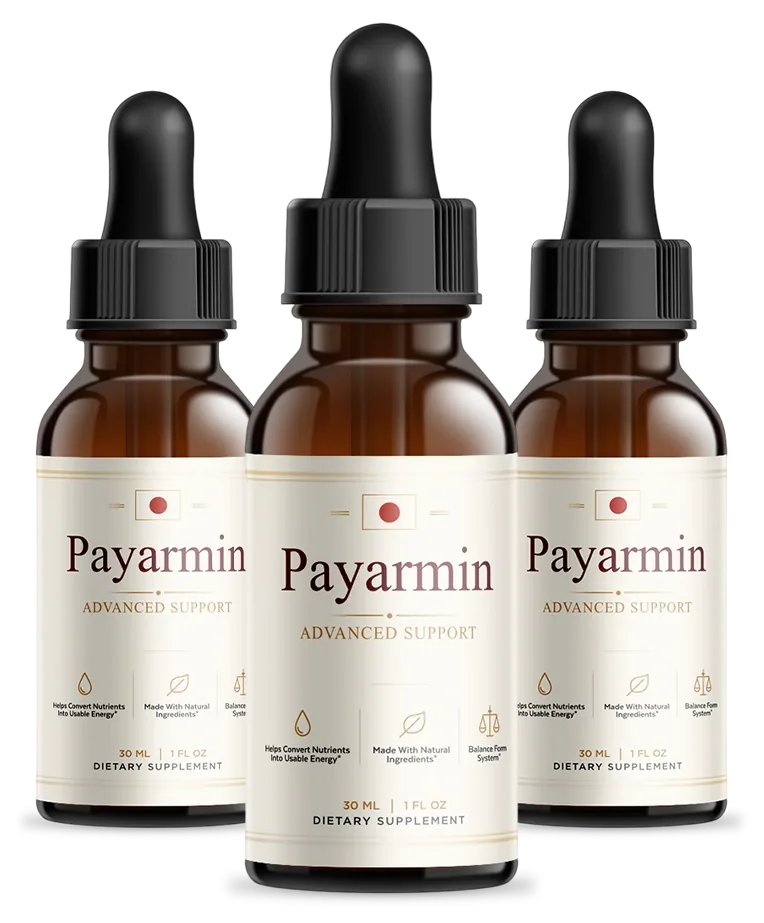
Payarmin: from $49 a bottle30 mL drops · 2, 3 or 6 bottles · free shipping on 3 or 6 · 60-day guarantee
See packsSafety06
Has green tea extract been linked to liver problems?
Yes. Green tea extract is a well-established cause of liver injury, though it is rare and tied to extract supplements, not to drinking tea (NIH LiverTox, Green tea).
NIH's LiverTox rates it at its highest likelihood score. More than 100 cases have been reported. Onset is usually 1 to 6 months after starting, and most people recover after stopping, but fatal liver failure has been described. In one study, ALT, a liver enzyme, rose in 6.7 percent of extract users against 0.7 percent of controls (NIH LiverTox, Green tea).
The case-report doses ran from about 800 mg to 1.86 g of extract a day. Payarmin's green tea line sits far below that. Even so, the risk is not zero, and a gene variant some people carry raises it (NCCIH, Green tea).
you notice dark urine, yellow skin or eyes, belly pain or unusual tiredness after starting any green tea product.
Tea vs extract07
Is green tea extract different from drinking green tea, and does it affect medicines?
Yes, on both counts. Drinking green tea has not been linked to liver injury, but concentrated extracts have (NIH LiverTox, Green tea).
The NIH reports that high doses reduced blood levels of the heart drug nadolol, and that an extract reduced levels of the statin atorvastatin. It advises talking to a provider before using green tea supplements if you take any medicine (NCCIH, Green tea).
- Insulin, sulfonylureas and other diabetes medicines: ask first, since several Payarmin lines may affect blood sugar.
- Statins, beta blockers and blood thinners: ask a pharmacist.
- Pregnancy or nursing: caffeine passes into breast milk, and pregnancy intake should stay moderate (NCCIH, Green tea).
The side effects page and the medicines guide cover the rest of the formula.
Next08
Where does green tea fit in the rest of Payarmin?
It is one line of 23. Read the others before judging the drops, and compare the label with the sales page.
See the full list on the ingredients page and each line's ceiling on the supplement facts page.
FAQ09
Green tea extract questions
What is green tea leaf extract?
It is a concentrate of green tea leaves holding catechins and some caffeine. In Payarmin it is the 7th of 22 lines in a 200 mg blend, so one 1 mL serving holds at most about 29 mg. The exact amount is not printed.
What is EGCG?
EGCG is epigallocatechin gallate, the main catechin in green tea. Reports of liver injury from extracts link to catechins, especially EGCG (NIH LiverTox, Green tea). Payarmin does not print an EGCG amount, so its level in the drops is unknown.
Does green tea extract lower blood sugar?
In 27 short trials, fasting glucose averaged about 1.4 mg/dL lower, while insulin and HbA1c showed no significant change (Xu 2020, Green tea and glucose). That is a very small result, and no trial tested Payarmin.
How much caffeine is in green tea extract?
It varies by product. A 12-ounce cup of brewed green tea has about 37 mg (FDA, How much caffeine). Payarmin prints no caffeine amount, and guarana in the same blend adds more, so ask a clinician if you are caffeine sensitive.
Has green tea extract been linked to liver problems?
Yes. More than 100 cases of liver injury have been tied to green tea extract, usually 1 to 6 months after starting, and most people recovered after stopping (NIH LiverTox, Green tea). Drinking tea has not been linked to it.
Is green tea extract different from drinking green tea?
Yes. Extracts are concentrated, and liver injury has been tied to extracts, not to brewed tea (NIH LiverTox, Green tea). A cup of tea holds about 37 mg of caffeine, and a supplement's amount depends on its formula.
Can green tea extract interfere with medicines?
It can. High doses lowered blood levels of nadolol, and an extract lowered atorvastatin levels (NCCIH, Green tea). Ask your pharmacist about every medicine you take, and keep taking prescribed medicine as directed.
Who wrote this10
Written and reviewed by
Pages built from the label, the sales page and linked NIH, FDA, CDC, FTC and peer-reviewed sources.
Last updated . Read our editorial standards and how we check reviews. This website is run by Gopayarmin, a Payarmin U.S. shop, not by the manufacturer or the distributor. We earn money when you buy through our order links.
Keep reading
More about Payarmin
Payarmin U.S. shop
Ready to try Payarmin?
Check your medicines first, then pick a pack. Three or six bottles ship free and cost less per bottle, and every pack carries the 60-day results-or-refund guarantee.
- Order on the sales page checkout
- 60-day results-or-refund guarantee
- Ships from the U.S.