Guide
Blood Sugar Basics: What Glucose Is and How the Body Handles It
Blood sugar, also called blood glucose, is the sugar your blood carries to your cells for energy. It comes mostly from the carbohydrate in food, and the hormone insulin helps cells take it in. Levels rise after meals and ease between them. Payarmin is a dietary supplement, not a diabetes medicine, and these basics apply with or without it.
Written by the Payarmin label deskUpdated
The basics01
What is blood sugar?
Blood sugar is the glucose that travels in your blood. Your cells burn it for energy.
Most of it comes from carbohydrate in food. Your liver also stores glucose and releases some between meals. So the level climbs after a meal and settles later.
Your body keeps the level inside a fairly narrow range. When that fails, doctors use a few standard tests. The table lists the numbers US public health sources use.
| A1C, normal | Below 5.7 percent (CDC, A1C test) |
|---|---|
| A1C, prediabetes | 5.7 to 6.4 percent (CDC, A1C test) |
| A1C, diabetes | 6.5 percent or above (CDC, A1C test) |
| Fasting plasma glucose, prediabetes | 100 to 125 mg/dL (NIDDK, Insulin resistance and prediabetes) |
| Glucose tolerance test, prediabetes | 140 to 199 mg/dL (NIDDK, Insulin resistance and prediabetes) |
| Low blood glucose, for many people with diabetes | Under 70 mg/dL (NIDDK, Low blood glucose) |
Only a clinician can read these numbers for you. Targets for people with diabetes are set by their care team (CDC, A1C test).
Words02
What is the difference between blood sugar and blood glucose?
There is no difference. Blood sugar and blood glucose are two names for the same thing.
"Blood sugar" is the everyday phrase. "Blood glucose" is what a lab report or a meter manual says. The confusion starts with the word "sugar" itself, because it covers more than one thing.
Blood sugar
The everyday name for the glucose level in your blood.
Blood glucose
The same measurement, named the way labs and meters name it.
Sugar in food
Table sugar and other sweeteners. Your body breaks them down, and glucose is one of the pieces.
Starch in bread turns into glucose too, so a food need not taste sweet to raise blood sugar.
After meals03
Why does blood sugar rise after eating?
Blood sugar rises after eating because digestion turns carbohydrate into glucose, and the glucose enters your blood.
That rise is normal. The question is how high it goes and how fast it comes back down. Four steps explain most of it.
You eat
Digestion breaks carbohydrate into glucose in the gut.
Glucose enters the blood
The level climbs, usually over the first hour or two.
The pancreas releases insulin
Insulin is the signal that tells cells to take glucose in.
Cells and the liver take it up
Muscle and fat cells use or store glucose, and the liver stores some. The level eases back down.
Fiber, protein and fat tend to slow the rise. See blood sugar habits.
Insulin04
What does insulin do?
Insulin is a hormone that tells your cells to take in glucose from the blood.
Your pancreas makes it and sends it out when glucose rises. Muscle, fat and liver cells listen for the signal. Once they take glucose in, the level in the blood drops.
Insulin resistance means those cells do not respond to insulin the way they should (NIDDK, Insulin resistance and prediabetes). The body then has to make more insulin to do the same job. People with insulin resistance and prediabetes usually have no symptoms (NIDDK, Insulin resistance and prediabetes).
The full story is in our guide to insulin resistance.
Other hormones05
What hormones other than insulin affect blood sugar?
Glucagon is the main one. It does the opposite of insulin: it signals the liver to release stored glucose.
Stress hormones such as adrenaline and cortisol can also push blood sugar up. Doctors use a glucagon injection to treat a severe low when a person cannot swallow safely (NIDDK, Low blood glucose).
No supplement is known to reset this system. That includes the 22-ingredient blend in Payarmin, which no trial has tested.
Payarmin: from $49 a bottle30 mL drops · 2, 3 or 6 bottles · free shipping on 3 or 6 · 60-day guarantee
See packsLows06
Can blood sugar be too low?
Yes. Low blood glucose is dangerous when it is severe, and for many people with diabetes it means a reading under 70 mg/dL (NIDDK, Low blood glucose).
Your number may differ, so ask your care team. Signs include shakiness, hunger, tiredness, dizziness, confusion, irritability, a fast heartbeat and headache (NIDDK, Low blood glucose).
People who take insulin or certain diabetes pills (sulfonylureas and meglitinides) are at higher risk. So are people age 65 or older and people with kidney disease (NIDDK, Low blood glucose).
The usual first step is 15 to 20 grams of fast carbohydrate, then a recheck after 15 minutes (NIDDK, Low blood glucose). A person who faints or cannot think clearly needs 911.
Keep taking prescribed medicine exactly as directed. A supplement never replaces it. If you add any supplement, tell your pharmacist, because some can add to the effect of diabetes drugs (NCCIH, Diabetes and supplements).
Testing07
How is blood sugar measured at home?
Most people measure it with a meter: a drop of blood from a fingertip goes on a test strip, and the meter shows a number in mg/dL.
Some people wear a sensor that reads glucose all day. Your care team decides which tool fits. A home reading is a snapshot of right now.
The A1C test is different. It is a lab test that reflects your average blood sugar over the past three months (CDC, A1C test). If you have new thirst, fast weight change or other worrying signs, see a clinician.
Check yourself08
Which blood sugar claims hold up?
Supplement ads borrow these words. Tap through six statements; each answer shows its source.
Chromium supplements reliably lower blood sugar.
(NIH ODS, Chromium)Gymnema has been shown in people to regenerate insulin-making cells.
(Khan 2019, Gymnema review)Green tea extract lowered fasting glucose a tiny amount in short trials.
(Xu 2020, Green tea and glucose)A label must print how much of each ingredient is inside a proprietary blend.
(eCFR, 21 CFR 101.36)The FDA approves dietary supplements before they are sold.
(FDA, Dietary supplements Q and A)Lifestyle change cut the risk of type 2 diabetes in a large U.S. trial.
(NIDDK, Diabetes Prevention Program)
Sort all six to see your score.
A sorting game from the sources linked under each statement, not a test. It judges statements, not the product.
Supplements09
Where do supplements fit into blood sugar?
Supplements are not a proven way to lower blood sugar. The American Diabetes Association says so in plain terms (ADA, Vitamins and supplements).
NCCIH says that for most supplements there is not enough evidence of a benefit on diabetes or its complications (NCCIH, Diabetes and supplements). The FTC has acted against sellers whose diabetes pills claimed to replace medicine (FTC, Diabetes treatment claims).
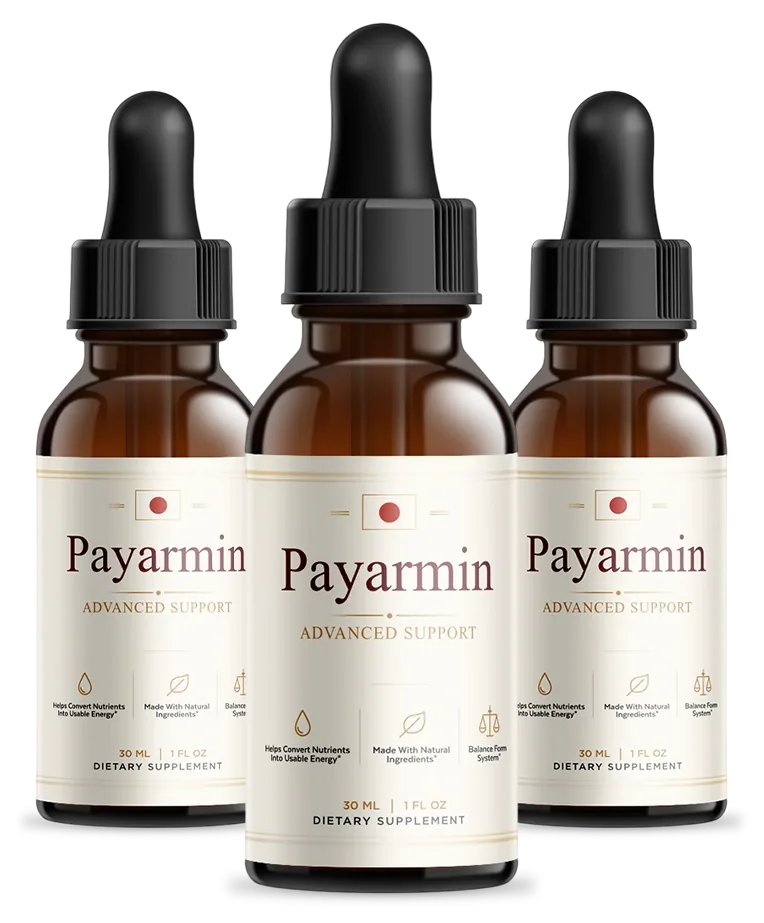
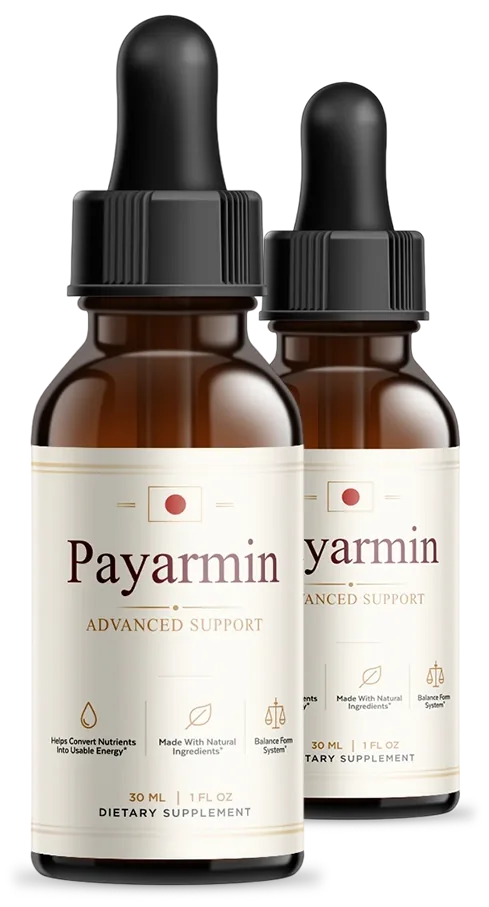
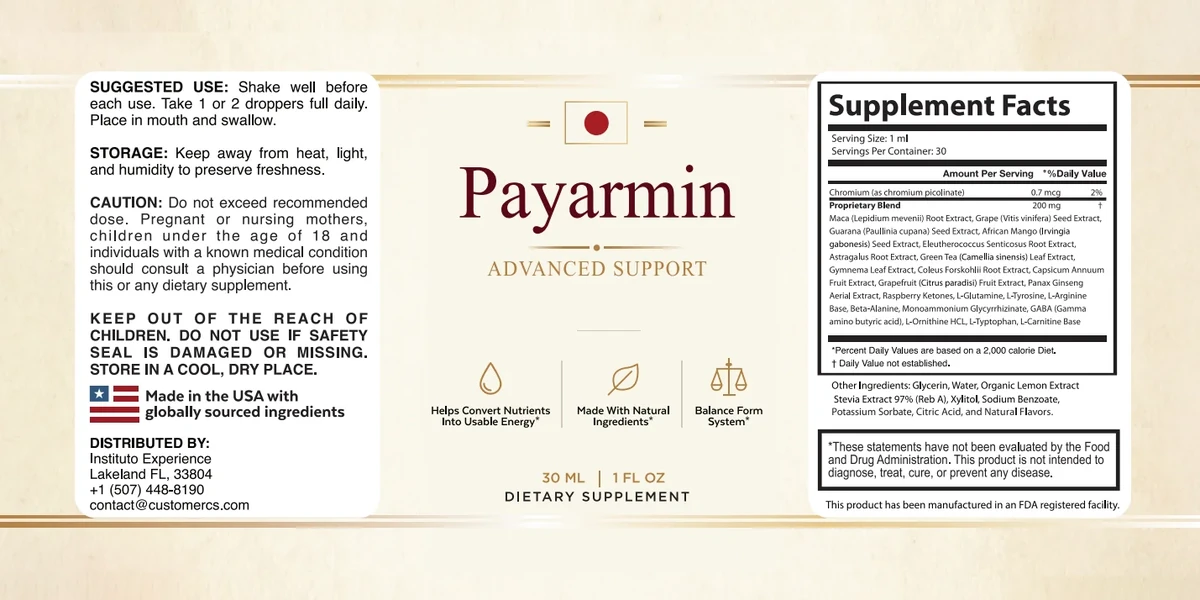
Payarmin is a dietary supplement in liquid drops. Its label lists chromium at 0.7 mcg and a 200 mg blend of 22 ingredients with no single amounts shown. The front claims "Helps Convert Nutrients Into Usable Energy*". Read the line by line breakdown on the supplement facts page.
- Daily movement and sleep have better support than any bottle (NIDDK, Diabetes Prevention Program) (CDC, Adult physical activity).
- Do not stop or change prescribed medicine because of a supplement.
FAQ10
Blood sugar basics questions
What is the difference between blood sugar and blood glucose?
Nothing. They name the same measurement: the amount of glucose in your blood. "Blood sugar" is the everyday phrase, and "blood glucose" is the term labs, meters and clinics use. Sugar in food is a separate thing, which your body turns into glucose.
Why does blood sugar rise after eating?
Digestion turns carbohydrate into glucose, and the glucose moves into the blood. Insulin then tells cells to take it in, and the level eases back down. A rise after a meal is normal.
What does insulin do?
Insulin is a hormone from the pancreas that tells muscle, fat and liver cells to take in glucose from the blood. When cells stop responding well, that is called insulin resistance, and it often causes no symptoms (NIDDK, Insulin resistance and prediabetes).
What hormones other than insulin affect blood sugar?
Glucagon raises blood sugar by telling the liver to release stored glucose. Stress hormones like adrenaline and cortisol can raise it too. Insulin is the main hormone that brings it down, so these hormones work together as a balance.
Can blood sugar be too low?
Yes. For many people with diabetes, a reading under 70 mg/dL counts as low (NIDDK, Low blood glucose). A person who faints or cannot think clearly needs 911. Ask your care team what your own number is.
How is blood sugar measured at home?
With a meter that reads a drop of blood on a test strip, or with a wearable sensor. Your care team decides what you need. An A1C test is a lab test that shows your average over about three months (CDC, A1C test).
Does a normal A1C mean my blood sugar never spikes?
No. A1C is an average over about three months (CDC, A1C test). It can look normal even when readings jump after some meals. If you worry about spikes, talk with a clinician about the right test for you.
Who wrote this11
Written and reviewed by
Pages built from the label, the sales page and linked NIH, FDA, CDC, FTC and peer-reviewed sources.
Last updated . Read our editorial standards and how we check reviews. This website is run by Gopayarmin, a Payarmin U.S. shop, not by the manufacturer or the distributor. We earn money when you buy through our order links.
Keep reading
More about Payarmin
Payarmin U.S. shop
Ready to try Payarmin?
Check your medicines first, then pick a pack. Three or six bottles ship free and cost less per bottle, and every pack carries the 60-day results-or-refund guarantee.
- Order on the sales page checkout
- 60-day results-or-refund guarantee
- Ships from the U.S.