Guide
Blood Sugar Habits: Daily Routines With the Best Evidence
Blood sugar habits are the daily routines that most affect glucose: regular activity, a healthy weight, enough sleep and steady meals. In a large U.S. trial, lifestyle change cut the chance of developing type 2 diabetes by 58 percent. No supplement, Payarmin included, has shown results like that.
Written by the Payarmin label deskUpdated
The short answer01
What daily blood sugar habits help the most?
The blood sugar habits with the best evidence are regular physical activity, losing extra weight if a clinician advises it, and getting enough sleep. These are the habits NIDDK names for people with insulin resistance and prediabetes (NIDDK, Insulin resistance and prediabetes).
The strongest proof comes from one large trial, the Diabetes Prevention Program. People who changed their lifestyle cut their risk of developing type 2 diabetes far more than people on metformin (NIDDK, Diabetes Prevention Program). We found no trial like it for a supplement.
Habits work slowly and quietly. You may feel nothing on day one, but they add up over months, and they cost far less than a bottle of drops.
| Habit | What the source says |
|---|---|
| Physical activity | At least 150 minutes a week of moderate activity, plus muscle-strengthening on 2 days (CDC, Adult physical activity) |
| Weight | Losing 5 to 7 percent of starting weight helped lower the chance of developing diabetes (NIDDK, Insulin resistance and prediabetes) |
| Sleep | Enough sleep is listed as a healthy habit; no hour target is given (NIDDK, Insulin resistance and prediabetes) |
| Supplements | For most, no evidence of a benefit for diabetes (NCCIH, Diabetes and supplements) |
The big trial02
How much did lifestyle change help in the Diabetes Prevention Program?
Intensive lifestyle change cut the risk of developing type 2 diabetes by 58 percent after about 3 years, compared with placebo. Metformin cut it by 31 percent (NIDDK, Diabetes Prevention Program).
The trial ran from 1996 to 2001 in adults at high risk. The lifestyle goals were to lose 7 percent of body weight and to exercise 150 minutes a week. In adults aged 60 and older, the cut was 71 percent (NIDDK, Diabetes Prevention Program).
Fifteen years later, the lifestyle group's delay in diabetes was 27 percent and the metformin group's was 18 percent (NIDDK, Diabetes Prevention Program). The gains faded some but did not vanish.
Lifestyle change
Lower risk of developing type 2 diabetes at about 3 years.
Metformin
Lower risk in the same trial, with a prescription medicine.
Payarmin
Trials of the finished drops. No one has tested them.
Movement03
How much activity does a week need?
Adults need at least 150 minutes of moderate-intensity activity a week, such as 30 minutes on 5 days, plus muscle-strengthening on at least 2 days (CDC, Adult physical activity).
The CDC page we read gives the amounts but does not state an effect on blood sugar. The Diabetes Prevention Program used the same 150 minutes as one of its two goals (NIDDK, Diabetes Prevention Program).
Brisk walking counts. Start where you are, and build up slowly. If you take insulin or a sulfonylurea, ask your care team how activity changes your dose or your snacks, because exercise can bring blood sugar down.
- Choose a time you can repeat, such as after dinner.
- Add two short strength sessions a week.
- Carry your fast-acting sugar if your medicine can cause lows.
What is less certain04
Do sleep, stress and the order of foods affect blood sugar?
Enough sleep is a named healthy habit for people with insulin resistance and prediabetes (NIDDK, Insulin resistance and prediabetes). For stress, a short walk after meals, and the order of foods on a plate, we did not read a source for this guide, so we give no numbers.
These ideas are popular, and some may well help. But a popular idea is not the same as a measured result. We will add them when we can cite a source for each one.
Change one thing at a time for a few weeks. Keep notes on energy and cravings, and share any readings with your clinician. Then keep what works.
Cravings and afternoon slumps are covered separately on the cravings and energy guide, and the basics of glucose are on the blood sugar basics page.
Payarmin: from $49 a bottle30 mL drops · 2, 3 or 6 bottles · free shipping on 3 or 6 · 60-day guarantee
See packsHabits and supplements05
Can a supplement replace healthy habits?
No. A supplement cannot replace healthy habits, and the ADA says supplements are not proven as an effective option for lowering blood glucose (ADA, Vitamins and supplements).
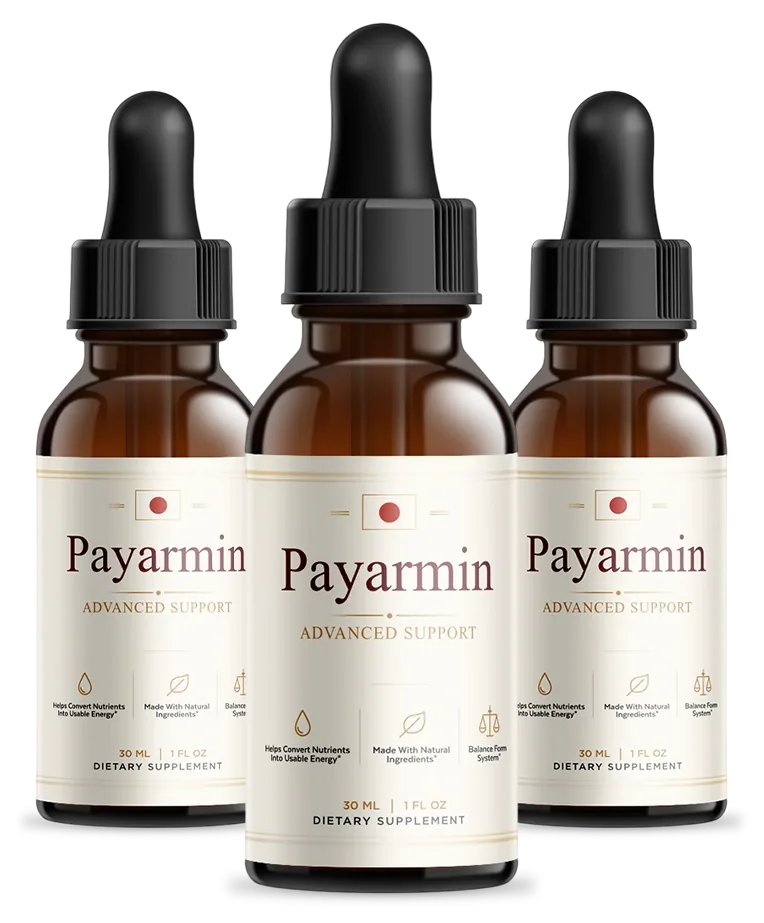
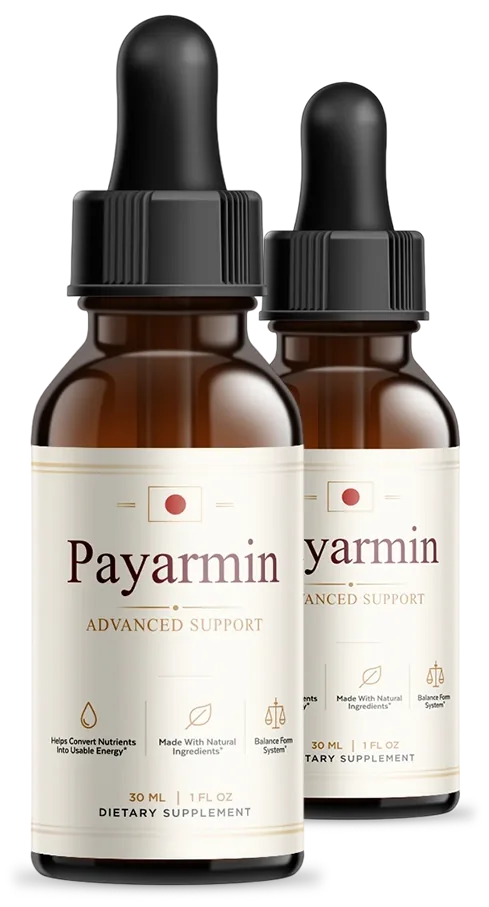
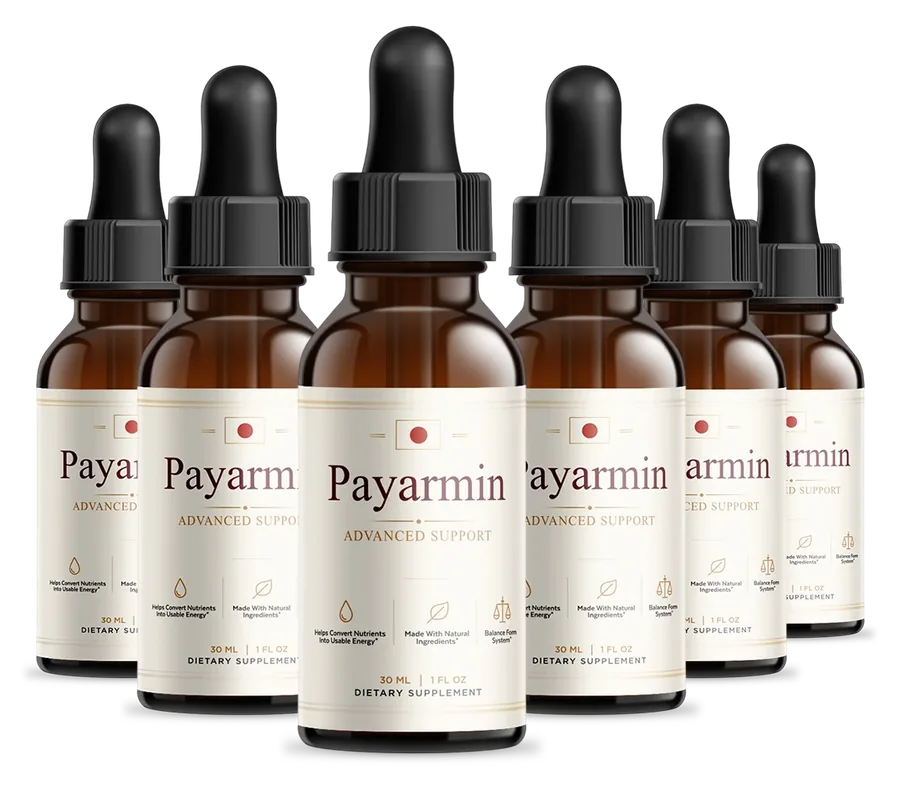
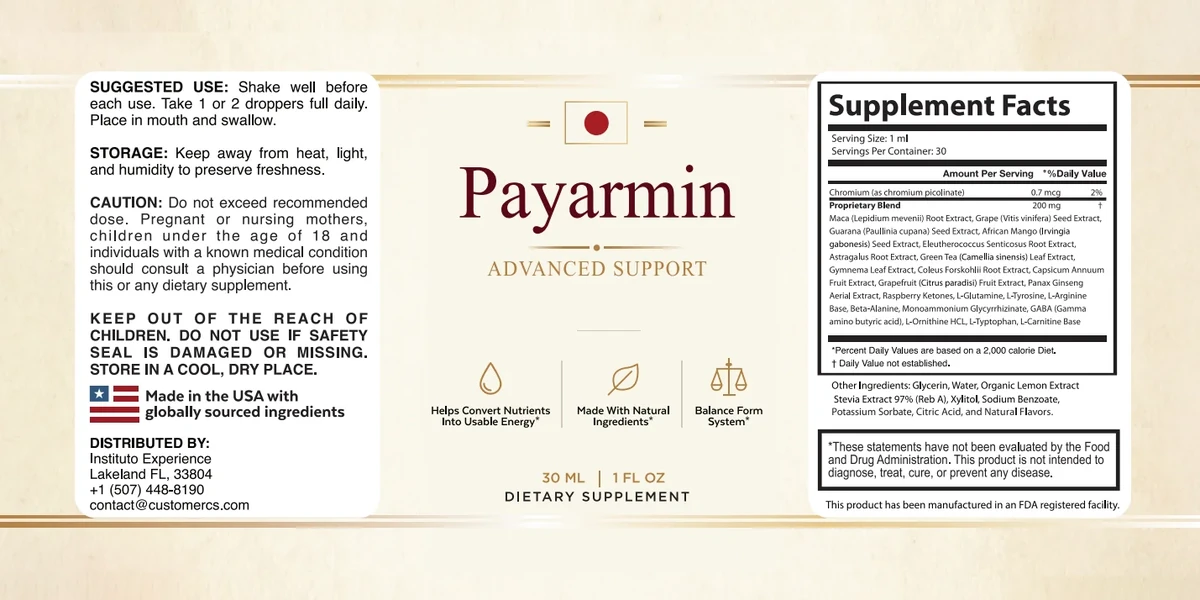
Payarmin is a dietary supplement in liquid drops. Its label claims "Helps Convert Nutrients Into Usable Energy*" and says nothing about blood sugar. Its sales page goes further, with no citations (Payarmin sales page). The NCCIH warns that it is very important not to replace medical treatment for diabetes with an unproven health product (NCCIH, Diabetes and supplements).
Habits
- Tested in a large trial over years
- Free or low cost
- Help weight, sleep and fitness at once
Payarmin drops
- No trial of the finished product
- Blend amounts hidden, about 9 mg per line if equal
- Cost about $1.63 to $2.63 a day on the sales page
A starter week06
How do I start a blood sugar routine?
Start with one habit you can keep. Pick a walk, an earlier bedtime or a steadier breakfast, and hold it for a week.
Ask your clinician
Tell them what you plan to change and what supplements you take (NCCIH, Using supplements wisely).
Walk 10 minutes
Build toward 30 minutes on 5 days, the CDC's weekly amount for adults (CDC, Adult physical activity).
Protect your sleep
Set a regular bedtime and keep notes on how you feel the next day.
Review in a week
Keep what you can repeat. Add the next habit only then.
Stay safe07
When should I see a clinician about blood sugar?
See a clinician for new strong thirst, fast weight change or high readings. Keep taking prescribed medicine, and never stop it because of a habit or a supplement.
A reading under 70 mg/dL needs prompt care. Treat it as your care team taught you, and call 911 for a person who is faint or confused (NIDDK, Low blood glucose). Habits are for steady days. They do not replace a plan from your doctor.
FAQ08
Blood sugar habits questions people ask
What daily habits help steady blood sugar the most?
Regular activity, a healthy weight if a clinician advises it, and enough sleep have the best evidence. A large trial found lifestyle change cut the risk of developing type 2 diabetes by 58 percent.
How much walking helps after a meal?
We did not read a source that gives a number for post-meal walks, so we give none. The CDC sets a weekly goal of at least 150 minutes of moderate activity for adults. Ask your care team before changing routines.
Does sleep affect blood sugar?
NIDDK lists enough sleep as a healthy habit for people with insulin resistance and prediabetes. The page gives no hour target, so aim for a regular schedule and ask your clinician what suits you.
Does stress raise blood sugar?
We did not read a source on stress and glucose for this guide, so we make no claim. If stress or poor sleep is a worry, say so to your clinician, who can look at your whole picture.
Does the order of foods on a plate matter?
We did not review a source on food order, so we do not give advice on it. A steady, balanced meal pattern is a better place to start, ideally with help from a dietitian.
Can a supplement replace healthy habits?
No. The ADA says supplements are not proven for lowering blood glucose, and the NCCIH warns against replacing diabetes treatment with unproven products. Habits and prescribed care come first.
Do I need to lose weight to lower my diabetes risk?
Not everyone does. In the Diabetes Prevention Program, losing 5 to 7 percent of starting weight helped when weight was a factor. Ask your clinician whether it applies to you.
Who wrote this09
Written and reviewed by
Pages built from the label, the sales page and linked NIH, FDA, CDC, FTC and peer-reviewed sources.
Last updated . Read our editorial standards and how we check reviews. This website is run by Gopayarmin, a Payarmin U.S. shop, not by the manufacturer or the distributor. We earn money when you buy through our order links.
Keep reading
More about Payarmin
Payarmin U.S. shop
Ready to try Payarmin?
Check your medicines first, then pick a pack. Three or six bottles ship free and cost less per bottle, and every pack carries the 60-day results-or-refund guarantee.
- Order on the sales page checkout
- 60-day results-or-refund guarantee
- Ships from the U.S.